Reverse Phone Lookup by Maryland Area Code
Baltimore and the Eastern Shore use 410/443/667, while DC suburbs and western Maryland operate 240/301. The table below shows which cities use which codes. With overlays creating duplicate coverage, area codes tell you less than ever. Use our phone lookup to get the owner and location.
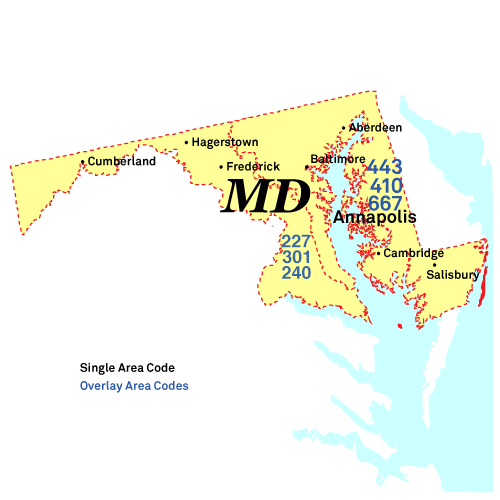
| Area Code |
Cities |
|
227 |
Germantown, Silver Spring, Waldorf |
|
240 |
Germantown, Silver Spring, Waldorf |
|
301 |
Germantown, Silver Spring, Waldorf |
|
410 |
Baltimore, Columbia, Glen Burnie |
|
443 |
Baltimore, Columbia, Glen Burnie |
|
667 |
Baltimore, Columbia, Glen Burnie |
Important: Area codes do not guarantee the caller's current location. Maryland allows number portability, and scammers often use "neighbor spoofing" to make calls appear local.
Maryland Spam & Scam Number Lookup
Fraudsters targeting Maryland often dangle fake government grants to steal banking information from unsuspecting residents. Secure your finances by checking if this "opportunity" is actually a known financial scam before you apply.
Scams in Maryland
Grandparent emergency scams and SSN suspension threats are major issues here.
| Area Code |
Unique Reported Scams |
| 227 |
Political survey calls |
| 443 |
Threatening recruiter calls, Medicare pressure campaigns |
| 667 |
Unemployment phishing, Interest rate scams |
In 2024, Maryland residents reported 43,876 fraud cases resulting in total losses of $198,919,905, with a median loss of $435 per victim. Received a fraudulent call or lost money to a phone scam? Report fraud or scam:
Spam Calls in Maryland
In 2024, Maryland residents filed 41,831 unwanted call complaints with the FTC, of which 22,144 were robocalls and 16,196 involved live callers. The most reported complaint topics were reducing debt (3,711), imposters (2,983), medical and prescriptions (2,232).
To reduce spam calls, register all your phone numbers at National Do Not Call Registry (donotcall.gov or call 1-888-382-1222 from the number you want to protect).
How Maryland Number Search Works
Maryland's reverse phone number lookup gives you access to available name and address information from publicly available government databases at the federal, state, county, and city level. Results also include FTC robocall complaint data and user-submitted spam reports. Whether you're screening a suspicious call or just identifying an unfamiliar number, you get the information without the guesswork.
- Enter the number you want to look up, including the area code. Baltimore and the Eastern Shore use 410 and 443. The DC suburbs and Western Maryland use 301 and 240.
- Our system searches public records, government databases, FTC complaint data, and user reports.
- You get back available owner info and any spam reports. Calls spoofed to look like DC-area numbers are common in Maryland, and a lookup shows you what's actually behind the number.
Is Reverse Phone Lookup Legal in Maryland?
Reverse phone lookup is legal in Maryland for everyday personal use. Whether you're checking an unknown caller, verifying a contact, or spotting potential fraud, you're within your rights. Keep in mind that the Fair Credit Reporting Act (FCRA) restricts using this information for employment, housing, or credit decisions.
FAQs
How to opt out of phone number lookup services in Maryland?
Under the Maryland Online Data Privacy Act (MODPA), effective Oct. 1, 2025, you can request deletion of your phone number and personal details. Visit each reverse lookup site and submit a removal request through their opt-out settings.
How to confirm a Maryland business caller is real?
Getting a business name from a phone lookup is helpful, but verification is key. With over 142,481 business establishments in Maryland according to Census data, confirming the company through the Maryland Business Express Search is the safest approach.
What types of phone numbers are in Maryland?
Maryland has 7.3 million mobile subscriptions, 1.6 million VoIP numbers, and 412,000 landlines. The VoIP share is higher than the national average, likely tied to the large number of government contractors and tech workers in the state.