Reverse Phone Lookup by Area Code
Baltimore and the Eastern Shore use 410/443/667, while DC suburbs and western Maryland operate 240/301. The table below shows which cities use which codes.
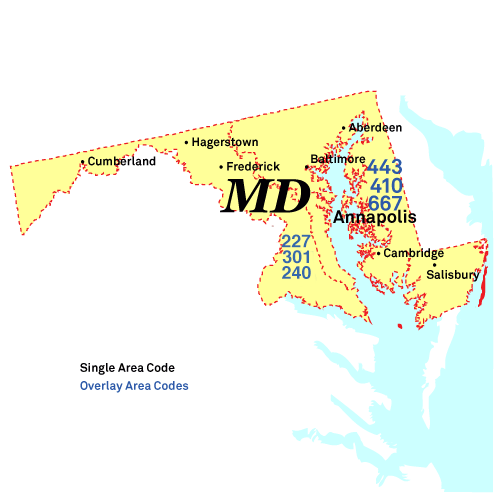
- 227 Phone Number Lookup: Germantown, Silver Spring, Waldorf
- 240 Phone Number Lookup: Germantown, Silver Spring, Waldorf
- 301 Phone Number Lookup: Germantown, Silver Spring, Waldorf
- 410 Phone Number Lookup: Baltimore, Columbia, Glen Burnie
- 443 Phone Number Lookup: Baltimore, Columbia, Glen Burnie
- 667 Phone Number Lookup: Baltimore, Columbia, Glen Burnie
Maryland has approximately 9.2 million active phone numbers. Cell phones are the dominant type with 7.2 million users, while traditional landlines are much less common, with only 412,000 connections statewide. Internet phone services account for about 1.6 million numbers.
Maryland Phone Numbers Reported to the FTC
In August 2026, Maryland residents filed 3,963 complaints to the FTC about phone numbers making unwanted calls and text messages, down 4% from the previous month.
Maryland phone numbers recently reported for making unwanted sales calls or robocalls:
| Phone Number | FTC Complaints | Last Reported |
|---|---|---|
| (227) 263-0472 | ||
| (410) 439-3130 | ||
| (240) 591-3866 | ||
| (410) 541-4911 | ||
| (301) 690-6059 | ||
| (410) 204-1064 | ||
| (443) 618-4721 | ||
| (301) 349-9391 | ||
| (410) 474-5058 | ||
| (240) 443-2675 |
Search Phone Numbers to Avoid Common Scams in Maryland
- BGE / Delmarva Account Number Phishing: Scammers spoofing 'Choice One Urgent Care' or AT&T, offering utility discounts and asking victims to grab their bill and read their account number.
- Md BEACON Unemployment Text: Smishing texts impersonating the Maryland Division of Unemployment Insurance, prompting a call to a 667 number to verify 'updated personal information'.
- 'Wimpy' Real Estate Recruiter Harassment: Extremely volatile recruiter threatening real estate agents ('I'm coming for you B***H') when they decline to buy his leads over FaceTime.
- 'Kathryn Reeves' WhatsApp Job Scam: Fake recruiters from 'Illuminia LLC' offering remote Amazon jobs, insisting all training and HR paperwork be done exclusively via WhatsApp.
- Fake Comptroller IRS Scam: Callers spoofing the 'Office of the Comptroller' threatening immediate imprisonment and demanding wire transfers for tax evasion.
- Maryland Consumer Protection Division: (888) 743-0023
Is Reverse Phone Lookup Legal in Maryland?
Yes. Maryland does not restrict the personal use of reverse phone lookup services, and its privacy law - which took effect October 1, 2025 - is considered one of the strongest in the country. The Fair Credit Reporting Act (FCRA) prohibits using lookup results for employment, tenant, or credit decisions in every state. Maryland's MODPA goes well beyond the federal baseline.
Why Maryland Residents Have Stronger Protections Than Most
The Maryland Online Data Privacy Act (MODPA, Md. Code, Com. Law § 14-4601 et seq., enacted May 9, 2024) took effect October 1, 2025. Note that it does not apply retroactively to personal data processed before April 1, 2026. What makes MODPA stand out is its data minimization requirement: businesses may not collect or process personal data beyond what is "reasonably necessary and proportionate" to deliver the requested service (MODPA § 14-4604(a)). This is a stricter standard than most states, which only require an opt-out option after collection has already occurred. Maryland also covers nonprofits broadly - only a narrow exception for organizations processing data solely to assist law enforcement or first responders is carved out (§ 14-4602(b)).
Residents have a 45-day response window for access, correction, deletion, and portability requests. There is no small-business exemption.
FAQs About Reverse Phone Number Lookup in Maryland
How to opt out of phone number lookup services in Maryland?
Under the Maryland Online Data Privacy Act (MODPA), effective Oct. 1, 2025, you can request deletion of your phone number and personal details. Visit each reverse lookup site and submit a removal request through their opt-out settings.
How to confirm a Maryland business caller is real?
Getting a business name from a phone lookup is helpful, but verification is key. With over 142,481 business establishments in Maryland according to Census data, confirming the company through the Maryland Business Express Search is the safest approach.
What types of phone numbers are in Maryland?
Maryland has 7.3 million mobile subscriptions, 1.6 million VoIP numbers, and 412,000 landlines. The VoIP share is higher than the national average, likely tied to the large number of government contractors and tech workers in the state.
- US Phone Number Lookup
- / Maryland